Biggest Tuf Gaming M3 Buying Mistakes (And How to Avoid Them)
Introduction
The Tuf Gaming M3 is frequently recommended as a budget-friendly gaming mouse that balances durability, straightforward features, and gaming-focused ergonomics. For many buyers—first-time PC builders, competitive players on a budget, or someone replacing a worn-out office mouse—the M3 looks like an obvious choice. Yet the path from "looks fine online" to "satisfying daily use" is littered with small missteps that lead to disappointment: an uncomfortable grip, an unexpected software dependency, or a button that double-clicks after a few months.
This article explains the most common buying mistakes people make when choosing the Tuf Gaming M3 and outlines practical ways to avoid those pitfalls. It includes a focused product analysis, real-world use cases, a concise pros & cons list, a comparison table with similar budget mice, a clear buying guide, and a reasoned conclusion to help buyers make a confident decision.
Detailed Product Review and Practical Analysis
The Tuf Gaming M3 occupies a familiar niche: a no-frills gaming mouse with enough performance for mainstream gamers and a construction emphasis on longevity. The following analysis breaks the mouse down into the aspects buyers most commonly care about.
Build Quality and Materials
One of the Tuf line's selling points is durability. The M3 typically uses sturdy plastics and reinforced switches in the primary buttons to extend lifespan compared with general-purpose mice. In real-world use—daily gaming sessions, long workdays, or travel to LAN events—this translates into fewer failures from accidental drops or heavy clicking.
However, a solid-feeling shell does not guarantee long-term satisfaction. Buyers who prioritize tactile comfort should test for surface texture and thumb-rest fit where possible; what feels "solid" may also feel slippery or too rigid for long sessions. Likewise, low-cost models sometimes simplify internal layout, affecting weight distribution—noticeable when doing flick shots in FPS titles.
Sensor Performance and On-Surface Behavior
For most users, the M3 delivers an optical sensor performance adequate for FPS, MOBA, and everyday productivity. It tracks reliably at typical gaming sensitivities and does well on cloth and hard pads. In competitive contexts, small differences in sensor characteristics—lift-off distance, angle snapping, and acceleration—matter. Players who switch between high-sensitivity DPI for MMOs and low-sensitivity DPI for aiming should check whether the sensor behavior is consistent across DPI steps.
Real-world advice: if precision aiming is a priority, validate the sensor with a small aiming drill or test the mouse in-game before committing. Competitive players often test for any felt smoothing or jitter by comparing crosshair drift at long distances.
Ergonomics and Grip Styles
The M3 is typically shaped for comfort across common grips, but every hand is different. Buyers who frequently resume long gaming sessions or use a vertical wrist angle will notice whether the mouse supports palm, claw, or fingertip grips. A common mistake is assuming a "one-size" ergonomic profile—some buyers end up with wrist strain because the mouse is too wide, too tall, or the side buttons are misaligned with their thumb.
Recommended action: compare the M3's dimensions with a mouse already owned and measure finger reach to buttons. In-store trials or a short return window are valuable for avoiding fit problems.
Buttons, Switches, and Macro Support
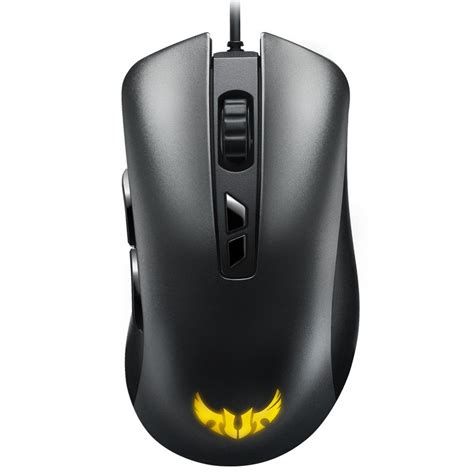
Primary left/right switches and two side buttons make the M3 functional for many games. For MMO users who demand multiple buttons, the M3's modest button count will feel limiting. Likewise, the quality of the scroll wheel and side switches matters—some buyers report a smoother wheel and tactile feel is preferable for both gaming and creative workflows (e.g., brush size changes in design software).
Software support often comes via the vendor's ecosystem, enabling button remapping and basic macro programming. If a buyer uses multiple platforms (Windows, macOS, Linux), it's important to confirm the software is available and straightforward to use; relying on on-device memory and simple macros reduces dependency on drivers.
Cable, Connectivity, and Portability
The M3 is commonly a wired mouse. Buyers who value mobility or dislike cable drag should evaluate the cable type (braided, paracord-like, or rubber) and how it behaves on their desk setup. Wired mice have advantages: no battery management, lower latency, and consistent power. For travel, consider compactness and whether the cable is easily coiled without kinking.
Find top-rated Electronics products at great prices.
Browse Now →Software Ecosystem
The M3 is designed to work with the manufacturer's software for DPI customization, lighting (if present), and button mapping. The software often provides profiles and firmware updates that address bugs. Mistakes arise when buyers assume "plug-and-play" behavior without installing or testing the software—this can lead to mismatched DPI steps, default polling rate settings, or disabled macros.
For users who prefer minimal software, verify on-device profile storage or whether desired settings persist without driver software active.
Pros & Cons
- Pros
- Durable construction suitable for heavy daily use and travel
- Balanced performance for mainstream gaming and productivity
- Simple, approachable feature set keeps configuration straightforward
- Typically budget-friendly compared with high-end gaming mice
- Wired connection offers consistent low latency without batteries
- Cons
- Limited button count for MMO-heavy users or heavy macro needs
- Ergonomics may not suit all grip styles—try before you buy if possible
- Software ecosystem may be necessary for full customization and is platform-dependent
- Weight distribution and cable drag can affect high-precision play for some users
- Not aimed at ultra-high-end competitive players who demand specialized sensors
How the Tuf Gaming M3 Stacks Up: Comparison Table
| Model | Best for | Sensor category | Weight category | Buttons | Software ecosystem | Price tier |
|---|---|---|---|---|---|---|
| Tuf Gaming M3 | Budget-focused gamers seeking durability | Reliable optical sensor for mainstream play | Light–medium | Basic (primary + side buttons) | Manufacturer software for DPI and macros | Entry / Budget |
| Logitech G203 (or similar) | Compact users who want a simple, reliable mouse | Accurate optical sensor at this price range | Light | Basic | Strong cross-platform software | Entry / Budget |
| Razer DeathAdder Essential (or similar) | Right-handed players who want ergonomic palm grips | Good optical sensor for mainstream gaming | Medium | Basic + two side buttons | Robust software with profiles | Entry / Budget |
| SteelSeries Rival 3 (or similar) | Competitive-minded budget players who want low latency | Competitive-style optical sensor | Light | Basic + two side buttons | Reliable software with on-device memory | Entry / Budget |
Common Buying Mistakes and How to Avoid Them
Below are the most common mistakes buyers make when choosing the Tuf Gaming M3 and actionable ways to avoid them.
Mistake 1: Choosing Based Only on Aesthetics or RGB
Why it’s a problem: RGB and looks are visible in photos and marketing, but they tell little about comfort, sensor behavior, or long-term reliability. Buyers who prioritize appearance often regret the purchase once they experience discomfort or functional limitations.
How to avoid it: Put ergonomics and sensor performance ahead of lighting. Read hands-on reviews and, if possible, hold the mouse to check thumb reach and palm contact. If RGB is a must, make sure the lighting control doesn't come at the cost of essential features or software stability.
Mistake 2: Overvaluing Maximum DPI
Why it’s a problem: Ad copy often advertises high maximum DPI figures as a measure of performance. In practice, usable DPI depends on the player’s setup, monitor resolution, and personal sensitivity. Higher DPI does not automatically mean better aim.
How to avoid it: Focus on sensor consistency, DPI steps, and how the mouse feels at your preferred sensitivity. Try the mouse at your regular in-game sensitivity or check whether the device offers on-the-fly DPI switching to test multiple settings.
Mistake 3: Ignoring Grip Fit and Size
Why it’s a problem: Size mismatch is one of the fastest paths to mouse regret. A mouse that’s too big can cause wrist strain; too small and it becomes hard to control in long sessions.
How to avoid it: Measure your hand or compare the M3 to a known mouse. Finger reach to the main buttons and the location of side buttons are important. Use return windows or in-store trials to validate comfort during extended usage.
Mistake 4: Assuming Onboard Memory Isn’t Necessary
Why it’s a problem: Some buyers assume that customization via software is enough. For users who move between computers—tournaments, shared PCs, or workplaces—settings tied to software on one machine don't carry over without onboard memory.
How to avoid it: If portability or switching systems is common, confirm that the M3 stores profiles on-device, or be prepared to install software on each machine you use. Test profile persistence after disconnecting and reconnecting the mouse.
Mistake 5: Neglecting the Cable or Cable Drag
Why it’s a problem: An inexpensive cable can snag or generate noticeable drag that affects precise motion. Gamers sensitive to tiny movements often underestimate the effect of cable behavior until it impacts gameplay.
How to avoid it: Assess the cable feel in reviews and, if possible, try the mouse with a bungee or a desk setup similar to the buyer’s standard environment. Choose a mouse with a flexible cable or plan to use a bungee if drag becomes distracting.
Looking for the best Electronics deals on Amazon?
View Offers →Mistake 6: Buying Without a Return Plan or Warranty Check
Why it’s a problem: Even popular models can have occasional batches with defects (double-click issues, faulty switches, firmware bugs). Purchasing without a clear return window or warranty creates unnecessary risk.
How to avoid it: Buy from a retailer with a reasonable return policy and check the manufacturer's warranty. Register the product if warranty registration is required to speed up potential replacements.
Mistake 7: Not Testing Buttons and Scroll Wheel
Why it’s a problem: Side buttons that are hard to press or a loose scroll wheel can ruin game macros and daily productivity. Scroll wheel feel and tactile clicks are personal preferences.
How to avoid it: Test button actuation patterns and scroll wheel steps. In-store try-before-you-buy or quick checks during a return window are effective. For online purchases, prioritize reviews that mention the tactile quality of switches and scroll mechanisms.
Practical Buying Checklist
- Grip test: Compare the M3 to a current mouse for palm/claw/fingertip fit.
- Sensor check: Confirm consistent tracking at your preferred sensitivity and test on your typical mouse pad.
- Software availability: Verify OS compatibility and whether settings persist without the driver.
- Build validation: Inspect for creaks, uneven seams, or side buttons that feel loose.
- Cable behavior: Assess flexibility and potential for drag; plan a bungee if needed.
- Return policy & warranty: Ensure a clear return window and check the warranty terms before purchase.
- Community feedback: Read multiple independent reviews and user reports about long-term reliability.
Real-World Use Cases and Recommendations
Different buyers use mice differently. Below are practical recommendations based on common scenarios.
Casual and Casual-Competitive Gamers
The Tuf Gaming M3 fits well for players who want dependable performance without a premium price. It supports mainstream FPS, MOBA, and battle-royale titles with reliable tracking. The buyer should prioritize comfort and on-the-fly DPI switching.
Competitive Shooters and Esports Players
While the M3 can serve in competitive play, players who demand ultra-low weight, niche sensor tuning, or very specific lift-off distances might prefer a higher-end specialized mouse. For these users, the biggest mistake is assuming a budget mouse will replicate pro-level nuances.
MMO / Productivity / Macro-heavy Users
Buyers who need many programmable buttons will find a basic button layout limiting. The correction is straightforward: identify how many bindings are needed and confirm that the software supports profiles and macros, or opt for a mouse with additional side buttons.
Travel and LAN Attendees
The M3's rugged build is a plus for travel. The buyer should check whether settings are stored onboard and whether the cable packs easily. A compact protective case and a braided cable make travel more dependable.
Conclusion
The Tuf Gaming M3 is a practical choice for many buyers: it balances durability, accessible performance, and a straightforward feature set without the premium cost. Most purchasing mistakes stem from mismatched expectations—whether about ergonomics, button count, sensor nuance, or software dependence—rather than from intrinsic flaws in the product. By prioritizing fit, confirming software and profile persistence, testing sensor behavior at the intended sensitivity, and buying with a sensible return plan, buyers can avoid common regrets and get a mouse that performs reliably for years.
Ultimately, the best approach is a pragmatic one: treat the M3 as a value-driven tool rather than a luxury upgrade, validate comfort and function before committing, and match the mouse to the actual day-to-day use cases it will serve. With a little attention to the factors outlined above, most buyers will find the Tuf Gaming M3 a worthwhile, no-nonsense companion for both gaming and daily computing.