Is the Leica Q3 Monochrom better than the Sigma 12Mm F 1 4 Dc C? We Tested Both
The Leica Q3 Monochrom and the Sigma 12mm F1.4 DC C occupy very different places in the photographer’s toolkit. One is an integrated, high-end compact camera purpose-built for black-and-white imaging; the other is an ultra-wide, fast prime lens designed for APS-C cameras. Directly comparing them is less about specs on paper and more about matching tools to specific photographic needs. This article examines real-world performance, typical buyer priorities, strengths and weaknesses, and when one makes more sense than the other.
Introduction — two tools, two philosophies
The Leica Q3 Monochrom appeals to photographers who want a refined, simplified black-and-white workflow with a premium build, integrated optics, and a sensor tuned exclusively to monochrome capture. The Sigma 12mm F1.4 DC C (Contemporary) targets photographers who need an ultra-wide field of view and a very fast aperture for astrophotography, interiors, architecture, and dramatic landscapes on APS-C bodies.
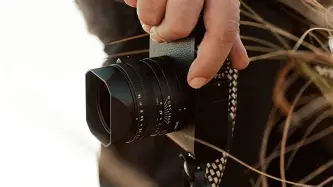
Both deliver excellent image quality within their categories, but they do that in fundamentally different ways. The rest of this article breaks down how each performs in the field, the pros and cons, a direct comparison table using relevant categories, a buying guide, and a reasoned conclusion for likely buyers.
Product analysis and real-world testing
Leica Q3 Monochrom — what it is and how it behaves
The Leica Q3 Monochrom is best described as a premium compact system camera with a fixed wide-angle prime and a sensor designed specifically for monochrome capture. Without a color filter array, the monochrome sensor captures luminance directly, which typically yields higher apparent resolution, better shadow detail, and cleaner high-ISO performance for black-and-white images.
In the field, the Leica Q3 Monochrom excels at street, documentary, and environmental portraiture where a single, fast wide-angle focal length is acceptable. The simplicity of a fixed-lens camera removes zoom-related decisions and encourages getting closer to the subject. The quiet operation, compact footprint, and refined ergonomics make it a discreet choice for photographers moving through cities or shooting in sensitive environments.
Image characteristics notable in real use include rich tonal gradations, pleasing micro-contrast, and a film-like rendering that many buyers describe as “organic.” The monochrome sensor reduces moiré concerns and often allows for slightly more aggressive sharpening without color artifacts. For low-light shooting, especially at night or indoors, the sensor’s lack of demosaicing can translate to cleaner shadows and less color noise to worry about in the conversion process.
Limitations are structural: the fixed focal length constrains composition compared with interchangeable lenses, and the camera is purpose-built for B&W work — it is not a color-first system. Buyers who want color flexibility, or who need telephoto or ultra-wide angles, will find the fixed-lens approach restrictive.
Sigma 12mm F1.4 DC C — what it is and how it behaves
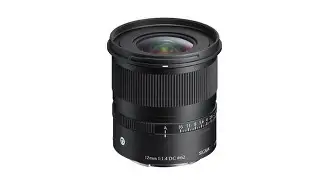
The Sigma 12mm F1.4 DC C is an ultra-wide prime for APS-C mirrorless and DSLR systems (check mount compatibility before buying). Its very wide field of view combined with a fast f/1.4 aperture makes it attractive for astrophotography, nightscapes, interiors, and expansive landscapes where foreground-to-background separation and a generous light-gathering ability are desirable.
Looking for the best Cameras & Photography deals on Amazon?
See Deals →In practice, this lens shines when mounted on an APS-C body: it frames a scene in an immersive way that a 28mm-equivalent cannot match. Photographers working on night sky projects benefit from the wide field and fast aperture that allow shorter exposures while keeping stars as points. For landscape and architecture, the lens handles large scenes, interior spaces, and dramatic foreground composition well. The lens’s relatively large aperture also helps isolate subjects in wide-angle portraits or environmental headshots when used carefully.
Optical trade-offs are typical of ultra-wide fast primes: careful attention to distortion control, flare resistance, and corner sharpness is necessary, especially wide-open. Modern lens design and Sigma’s coatings mitigate many issues, and stopped down performance is usually excellent. Because it is an interchangeable lens, buyers must also consider the body used: autofocus speed and sensor performance come from the camera, not the lens.
Pros & Cons
Leica Q3 Monochrom
- Pros: Exceptional mono image rendering and tonal gradation; simplified workflow with no demosaicing artifacts; premium build and ergonomics; quiet, discreet operation; excellent high-ISO shadow detail for B&W work.
- Cons: Fixed focal length limits compositional flexibility; monochrome-only sensor removes color photography options; typically higher price point; integrated lens means no swap-in of different focal lengths.
Sigma 12mm F1.4 DC C
- Pros: Very wide field of view ideal for astrophotography, interiors, and landscapes; fast f/1.4 aperture for low-light and shallow depth-of-field effects in wide-angle contexts; compatibility with multiple APS-C systems; more affordable than premium fixed-camera solutions.
- Cons: Requires a compatible camera body; ultra-wide perspective can be challenging for people or subjects close to the lens; potential for edge softness or vignetting wide-open (varies by body); wider elements can be more susceptible to flare without careful use.
Side-by-side comparison
| Category | Leica Q3 Monochrom | Sigma 12mm F1.4 DC C |
|---|---|---|
| Type | Integrated compact camera with fixed wide prime (monochrome sensor) | Interchangeable ultra-wide prime lens for APS-C cameras |
| Intended use | Street, documentary, environmental portraits, low-light B&W work | Astrophotography, landscapes, interiors, architecture, creative wide-angle work |
| Field of view | Single wide-angle focal length (ideal for environmental context) | Extremely wide (super wide perspective on APS-C) |
| Aperture / Low-light | Strong low-light monochrome performance due to sensor design | Very fast aperture (f/1.4) provides major advantage for night sky and low-light scenes |
| Flexibility | Limited (fixed lens) | High (serves many creative uses when paired with different bodies) |
| Portability | Very portable, complete system in one unit | Lens size moderate — needs camera body, additional kit |
| Cost (relative) | Generally premium; higher total cost for single-purpose camera | Typically more affordable than buying a premium integrated camera; value depends on body owned |
| Best for | Photographers committed to premium black-and-white imagery and simplicity | Photographers needing extreme wide angle, astrophotographers, and those on APS-C systems |
How buyers typically choose: real-world considerations
Buyers think about several practical factors beyond raw image quality. The following questions and observations reflect common decision patterns.
1. Existing system and investment
If a buyer already owns an APS-C camera body and multiple lenses, the Sigma 12mm is often the clear choice because it expands capability without replacing the existing workflow. Conversely, a photographer seeking a single, cohesive black-and-white camera experience — someone who prioritizes a complete, polished tool and is prepared to pay for it — may prefer the Leica Q3 Monochrom.
2. Preferred subjects and shooting style
Street and documentary photographers who want a fast, unobtrusive camera and prefer black-and-white aesthetics benefit from the Leica’s integrated approach. Landscape, night sky, and architecture shooters who need ultra-wide framing and want to push exposure limits generally prefer the Sigma lens on an APS-C body with good high-ISO performance.
3. Portability vs. flexibility
The Leica is a compact, all-in-one solution. It is ideal for travel without swapping glass. The Sigma route requires carrying a camera body and possibly other lenses, but it provides access to many focal lengths and future upgrades.
4. Budget and long-term value
Leica products traditionally command a premium price and hold value well, but the initial cost is higher. The Sigma lens offers a high optical payoff at a lower cost, but the total spend includes the camera body; for many, this is still more budget-friendly.
Looking for the best Cameras & Photography deals on Amazon?
View Offers →5. Workflow preferences
Leica Monochrom users benefit from a simplified workflow: direct capture in black-and-white, fewer conversion steps, and sensor-optimized rendering. Sigma users will typically shoot in color on their camera and convert to black-and-white if desired, giving more flexibility but adding processing steps.
Buying guide — what to check before committing
Whether considering the Leica Q3 Monochrom or the Sigma 12mm F1.4 DC C, these practical checks help ensure the purchase matches needs.
- Define use cases: List primary subjects (street, astro, architecture) and secondary needs (video, portrait, travel). The Leica excels for B&W documentary; the Sigma for ultra-wide night and landscape work.
- Mount compatibility: Confirm Sigma’s mount matches the camera body (Sony E, Fujifilm X, Canon RF adaptors, etc.). For Leica, ensure any accessory workflow supports the fixed lens form factor.
- Weight and carry strategy: If traveling light is priority, measure the Leica package vs. camera+Sigma+other essentials.
- Autofocus and stabilization: Check autofocus performance on the intended body for the Sigma; many ultra-wide lenses are good, but performance can vary by camera. Consider in-body stabilization on the camera body for handheld night work.
- Image processing needs: Decide whether to favor in-camera monochrome output (Leica) or post-process conversions from color (Sigma + body). Each approach affects time in post-production and creative control.
- Field tests: If possible, rent or borrow to evaluate handling and perspective. Wide-angle framing takes practice; the Leica’s single focal length enforces a style while the Sigma expands compositional options.
- Budget for complements: If purchasing the Sigma, budget for the camera body (if not already owned), a tripod for astrophotography, and possibly filters; if choosing Leica, budget for accessories like extra batteries and a protective case.
Practical scenarios: which to pick
To make the difference concrete, here are a few buyer profiles with recommended choices:
- The documentary photographer who wants a refined, discreet instrument and shoots primarily in black-and-white: Leica Q3 Monochrom is a natural match.
- The astrophotographer who wants the widest possible field and the brightest aperture for star fields on an APS-C system: Sigma 12mm F1.4 DC C on a competent body is likely superior.
- The travel shooter who wants one lightweight, high-quality camera and prefers moody, monochrome imagery: Leica offers a seamless, carry-on-friendly solution.
- The landscape/architecture shooter who already owns an APS-C camera and needs dramatic wide-angle framing: Sigma provides greater flexibility at a lower incremental cost.
Conclusion
Asking whether the Leica Q3 Monochrom is “better” than the Sigma 12mm F1.4 DC C is the wrong question if it implies a single winner. They are purpose-built for different photographic goals. The Leica Q3 Monochrom is better for photographers who want an elegant, all-in-one black-and-white tool with a distinct tonal signature and minimal workflow complexity. The Sigma 12mm F1.4 DC C is better for photographers who need an ultra-wide, fast lens on an APS-C system for astrophotography, interiors, and expansive landscapes, or for those who value flexibility and system-based upgrades.
Buyers should focus on the photographic problems they want to solve: if the priority is a dedicated monochrome experience and simplicity in the field, the Leica delivers a compelling proposition. If the priority is wide-angle reach, maximum low-light light-gathering on an APS-C body, and system flexibility, the Sigma is the practical and creative choice. Each is excellent in its lane; the right choice depends entirely on the photographer’s needs, existing gear, and preferred shooting style.